One Instagram Setting Every Public Account Should Review Today
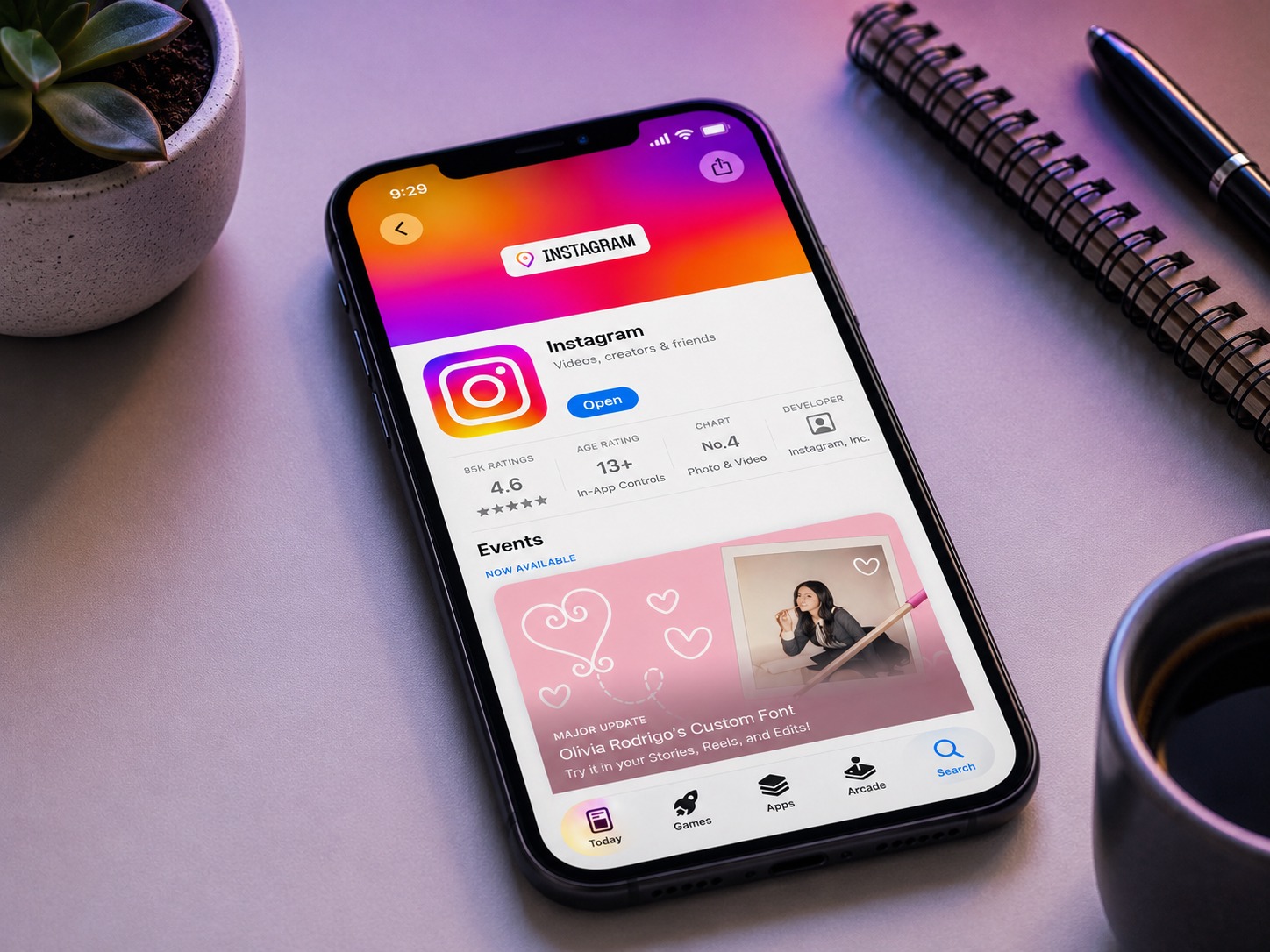
Meta has introduced new Sharing and Reuse settings on Instagram, and if your account is public, it's worth taking a closer look. This isn't about fear—it's about understanding how platform updates affect your digital choices and ensuring your privacy settings still reflect how you want your content to be used.
Meta has certainly been busy lately.
From AI-powered editing tools to smarter assistants and new ways of creating content, Instagram continues to evolve at a remarkable pace.
But while many of us are busy exploring these new features, very few of us are asking an equally important question:
"What changed in my privacy settings?"
One of Instagram's latest Sharing and Reuse settings has been attracting attention because it affects how public content can be created with and reused across Meta's ecosystem, including certain AI-powered experiences.
If your Instagram account is public, this is one setting worth checking today.
Not because something has gone wrong.
Not because Meta is trying to catch you out.
But because good cyber safety isn't only about spotting scams or creating strong passwords. Sometimes it's simply about understanding how the platforms we use every day are changing—and making sure our settings still reflect the choices we'd make today.
The real story isn't Instagram
It would be easy to look at this as just another Instagram update, but I think there's a much bigger lesson hiding behind it.
Artificial intelligence is finding its way into almost every app we use. Whether it's helping us edit photos, write captions, create videos or discover content, AI is becoming part of our everyday digital lives. As these features are introduced, the platforms we use also evolve. New settings appear. Existing permissions change. New ways of sharing and interacting with our content are introduced.
None of this automatically makes the changes good or bad.
What matters is whether we're aware of them.
Why this matters if your account is public
If your Instagram account is public, you've already chosen to make your content discoverable beyond the people who follow you. That can be incredibly valuable if you're growing a business, building a personal brand or sharing content with a wider audience.
At the same time, public accounts naturally come with different considerations. As platforms introduce new ways for public content to be shared, reused and featured in supported experiences, it's worth taking a moment to decide whether those settings still match your expectations.
That's why this update deserves a closer look.
Not because everyone should turn the settings off.
But because everyone deserves to know they exist.
It's less about AI and more about choice
One of the most interesting discussions I've seen around this update wasn't actually about artificial intelligence.
It was about choice.
Technology companies will continue introducing new features. Some will be enabled by default. Others will ask for your permission. Many of us won't notice either way because we rarely revisit our settings after creating an account.
That's completely understandable.
Most of us joined Instagram years ago. Since then, the platform has introduced hundreds of new features, yet very few of us have taken the time to see how our privacy and sharing preferences have evolved alongside them.
That's why I don't think the most important question is, "Should I turn this setting off?"
I think the better question is, "Do these settings still reflect how I want to use Instagram today?"
What could happen if you never review your settings?
One of the biggest misconceptions about cyber safety is that every risk begins with a scam or a hacker.
Sometimes, it begins with a surprise.
Perhaps you regularly post pictures of your family. Maybe you're documenting your journey as a professional. Maybe your small business relies on Instagram to connect with customers. Over time, the platform introduces new ways for public content to be shared or reused, but because you never revisit your settings, you don't realise anything has changed.
Nothing malicious has happened.
Your account hasn't been compromised.
The platform has simply evolved while your settings stayed exactly where you left them.
That's why reviewing your settings isn't about fear.
It's about avoiding surprises.
Take two minutes today
Fortunately, checking your settings is quick.
Open Instagram, head to your Profile, tap the ☰ Menu, then select Sharing and Reuse. Take a moment to review the options under Allow people to create with and reuse your content, particularly if your account is public.
You might decide you're perfectly happy with the current settings.
You might decide to change them.
Either decision is perfectly valid.
What's important is that it's your decision.
TheCyberMamushka Take
One thing I've learned over the years is that cyber safety isn't about saying yes to every new feature or saying no to every new feature.
It's about staying informed.
Technology will continue to evolve. AI will continue to become part of the apps we use every day. New permissions will appear. Existing settings will change. That's simply the direction technology is heading.
Our job isn't to fear that change.
Our job is to make sure we're changing with it.
One of the simplest habits you can build is spending a few minutes every few months reviewing the privacy settings on the platforms you use most. It's a small habit that helps ensure your digital life reflects your choices, not simply the platform's latest update.
One question to leave you with...
The next time one of your favourite apps introduces a new AI feature, don't start by asking whether it's exciting or worrying.
Start by asking yourself one simple question:
Did I choose this...or was it chosen for me?
If you don't know the answer, perhaps it's time for a quick look through your settings.
Comments
Comments are moderated. Your email is kept private.
Loading comments…